

5 Bold Truths from Ecommerce Expo London: Why Playing It Safe Is the Riskiest Strategy
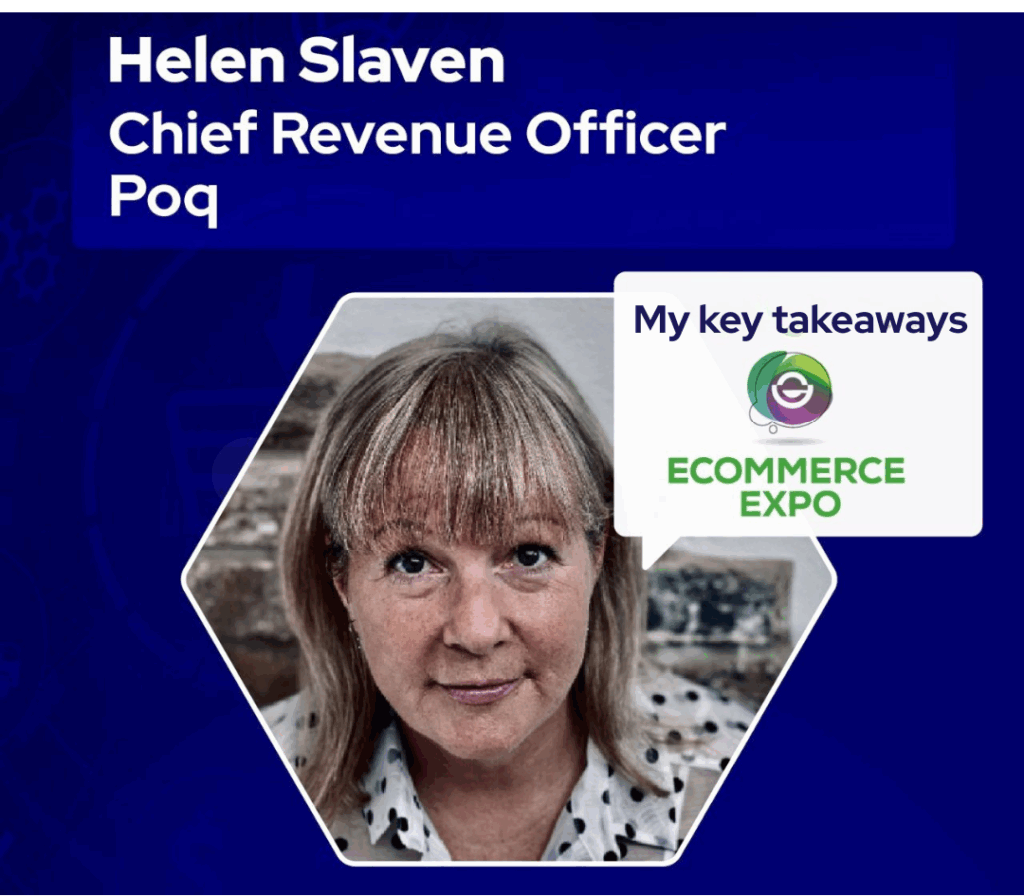
I recently spent two days at the Ecommerce Expo in London, where I immersed myself in a number of keynote sessions searching for real insights that cut through the noise. In our chaotic world of constant change and challenge, I was looking for lessons that actually move the needle. Here are the five most important takeaways that stood out.
1. Brand Building Isn’t a Sprint—It’s a Masterpiece
This centered on a simple but profound truth: building a brand takes time and creativity, passion and patience. Growth is not always a linear curve , it’s always more messy than that. As Nicole (founder of The Ordinary quoted) “For 1 million to like you, you have to first get the 1000 people that like you” – She also stated that “the consumer is the boss of everyone” and in her wrap up session when asked about what she would have done differently she stated “ I would have focussed on DTC growth faster and earlier”.
The DTC Reality Check: Too many direct-to-consumer brands treat customers like conversion metrics instead of humans building relationships with their brand. The brands that last understand that every touchpoint—from first discovery to post-purchase experience—shapes brand perception.
This point was also echoed by Rory Sutherland, VP Ogilvy. He stated that it was no surprise to him that 4 out of the 5 top IPA advertising awards in 2025 went to family owned or private brands. His premise was that family or founder owned businesses have the ability to “play a long game” focussed on building customer and brand loyalty and equity as they focus on their customer and not on shareholders. His argument was that performance marketing was a “finance fantasy” as “noone can ensure complete predictability” and in his opinion it was holding up investments in more important strategic areas based on fear.
Why This Matters for Mobile: Your mobile app isn’t just another channel; it’s your most intimate brand touchpoint. While competitors focus on optimizing mobile web conversion rates, smart brands are building lasting relationships through native app experiences that feel personal, responsive, and distinctly theirs.
2. Win by Doing What Competitors Won’t
Here’s where things got interesting: Focus on addressing very well what your competitors are doing badly.
The Competitive Blind Spot: Most brands follow industry norms instead of questioning them. If everyone in your space has mediocre mobile web experiences, that’s not a reason to accept mediocrity—it’s an invitation to dominate. Rory Sutherland encouraged the room to “look for what your competitors are doing badly then focus on excelling at this”.
The App Opportunity: While your competitors debate whether mobile apps are “worth it,” forward-thinking brands are already seeing the results: 2.7x higher conversion rates, 5x higher engagement, and customer loyalty that actually translates to repeat revenue. The question isn’t whether apps work—it’s whether you’ll claim the advantage while others hesitate.
3. Leadership Means Having the Courage to Go First
Perhaps the most powerful insight was about leadership itself: People expect clarity, vision, and direction—including the temerity to try something new.
The Leadership Gap: Too many commerce leaders wait for consensus, best practices, or proof that others have succeeded first. But breakthrough results come from breakthrough thinking, not from following the crowd. A highly engaging session led by Sophie Devonshire, CEO of The Marketing Society, had ecommerce and marketing leaders from brands and DTC share their leadership courage. Uniformly they all talked about having courage, having clarity and having a strong sense of direction as core assets.
Mobile Leadership: Every major commerce platform started as an experiment. Amazon didn’t wait for proof that ecommerce would work. Shopify didn’t wait for validation of hosted commerce platforms. The mobile commerce leaders of tomorrow are the brands bold enough to claim the space today.
4. “Manage What You Measure” Is Killing Your Growth
This session was a wake-up call: Performance marketing is a concept there to appease finance, not to serve the customer. The obsession with measurement has become the enemy of brand growth and actual customer success. Rory Sutherland mentioned the Goodhart’s Law – “ When a measure becomes a target, it ceases to be a good measure.” In other words, when we set one specific goal, people will tend to optimize for that objective regardless of the consequences.
The Measurement Trap: When finance demands proof of incrementality and fears cannibalization, brands make timid decisions. But customers don’t think in attribution windows—they think in experiences and connections. They want convenience, speed, and experiences that feel designed for them and they want to know the brand is invested in them.
Beyond the Spreadsheet: Yes, apps might cannibalize some mobile web revenue initially. But customers who switch to your app visit 2x more often, convert at higher rates, and become your most valuable segment. Sometimes the best business decisions look questionable in a spreadsheet but transform your customer relationships.
5. AI Won’t Replace Human Connection—It Should Amplify It
The final insight was refreshingly human: AI is here, but it won’t replace the basic psychological need for interaction and mutuality. The winning strategy combines online and offline in ways that feel genuinely connected.
The Human Element: Technology should make human connections easier, not replace them. The brands succeeding with AI are using it to create more personalized, more relevant, more timely human experiences—not to remove humans from the equation.
Mobile as the Bridge: Native mobile apps excel at bridging online and offline experiences. From location-based offers that drive store visits to loyalty programs that work everywhere, apps create the seamless omnichannel experiences that customers actually want.
The Pattern Behind the Insights
These five takeaways share a common thread: the brands winning in commerce aren’t playing it safe—they’re making bold bets on customer experience.
Whether it’s investing time in brand building, zigging when competitors zag, leading with vision instead of consensus, prioritizing experience over attribution, or using technology to amplify human connection, the pattern is clear.
The Mobile Commerce Inflection Point: We’re at a moment where mobile commerce is shifting from nice-to-have to competitive necessity. The brands that move now—while competitors are still debating—will own the advantages that compound over time.
Your Next Move: The question isn’t whether mobile apps will become essential for commerce brands. The question is whether you’ll be leading that transition or reacting to it.
The most dangerous position in commerce isn’t making the wrong bet—it’s making no bet at all while the market moves around you.
Ready to stop playing it safe? See how enterprise brands are turning mobile into their most powerful competitive advantage with native app experiences that deliver 2.7x higher conversions and build lasting customer loyalty.





You may be interested in...

Poq Integrates Talon.One to Power In-App Loyalty and Promotions for Retailers

Has Your App Strategy Surpassed Your Platform’s Capabilities?

Are Native Apps the Safest Channel for Digital Commerce?
